

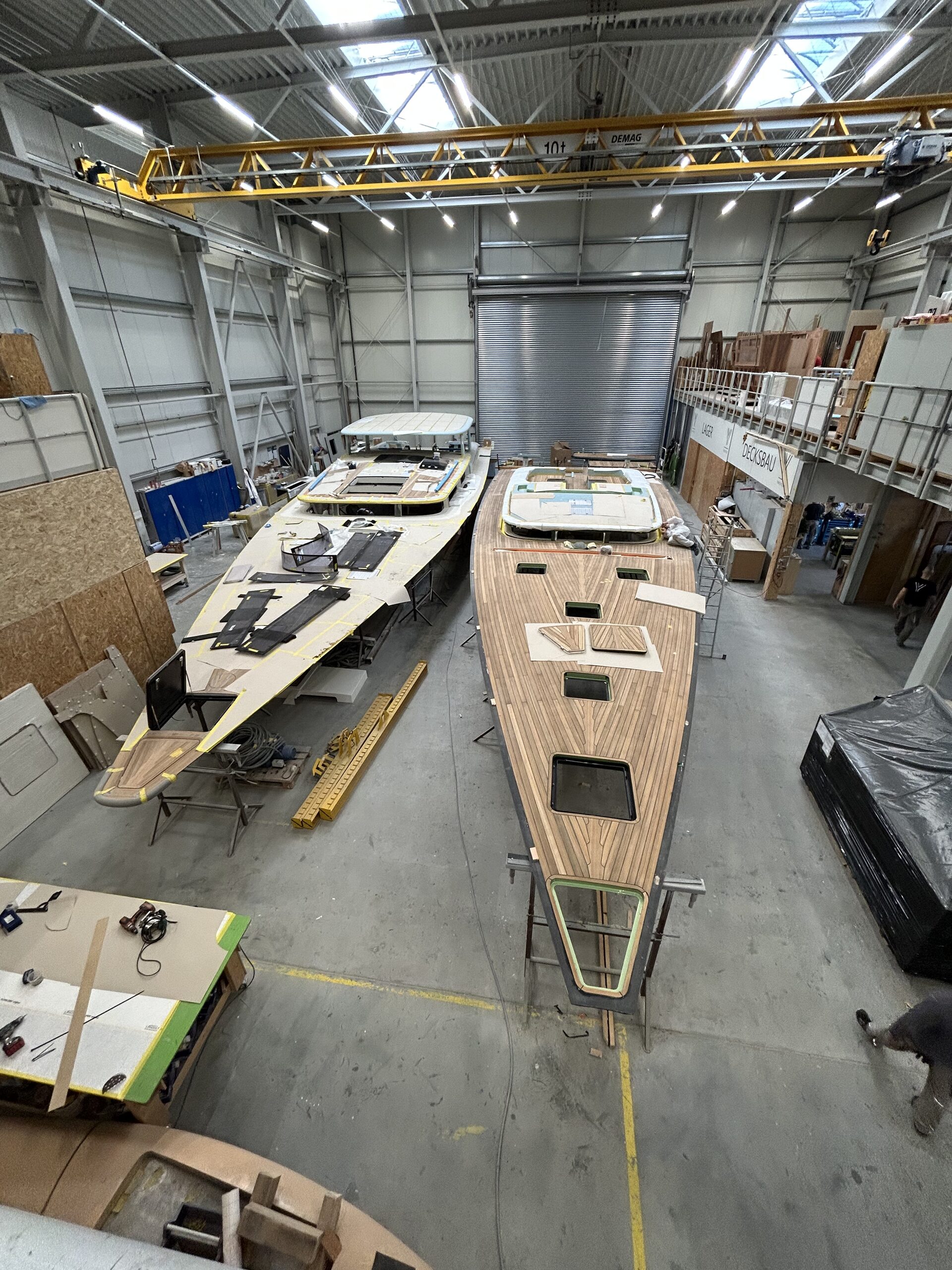
How Much Does It Really Cost to Maintain a Yacht?
Captain's Corner Magazine · 16 October 2026
Buying a yacht is only the beginning. Keeping it safe, reliable and in good condition requires ongoing servicing, repairs and periodic replacement of expensive equipment.
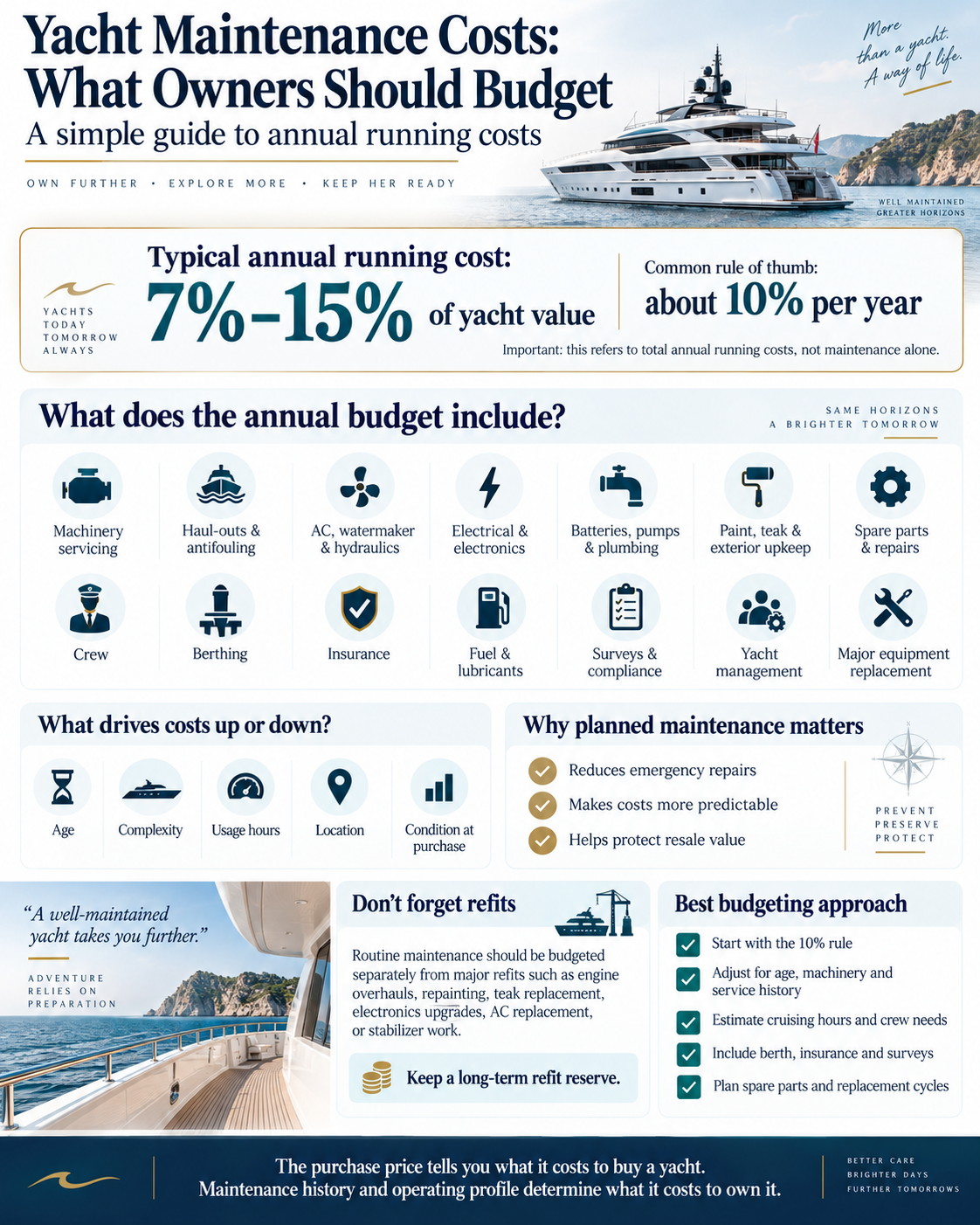
The commonly quoted ‘10% rule’ suggests budgeting roughly 10% of the yacht’s value each year. In practice, this is a broad planning guide for total annual running costs—not maintenance alone. Depending on the yacht’s age, size, complexity, usage and operating programme, annual costs may fall anywhere between 7% and 15% of its value, or more. (Foreland Marine Consultancy)
What Does the Annual Budget Include?
The 10% rule generally covers the yacht’s overall operating budget, including: engine, generator and machinery servicing; haul-outs, antifouling and underwater maintenance; air-conditioning, watermakers and hydraulic systems; electrical and electronic equipment; batteries, pumps, plumbing and sanitation systems; paint, varnish, teak and exterior upkeep; spare parts and unexpected repairs; crew salaries and associated costs; berthing and marina fees; insurance; fuel and lubricants; surveys, certification and regulatory compliance; yacht management; periodic refits and major equipment replacement.
Maintenance is therefore only one part of the total cost of ownership. For professionally operated yachts, crew, fuel, berthing and insurance can represent equally significant expenses. (Superyacht Partners)
Why the 10% Rule Can Mislead
A yacht’s maintenance needs are influenced more by its age, machinery and complexity than by its current market value. An older yacht may have depreciated substantially, but its engines, generators, air-conditioning, stabilizers, hydraulic systems and electronics still require regular servicing—and eventual replacement. As a result, an older yacht bought at a relatively low price can cost well above 10% of its purchase price to operate each year. By contrast, a newer yacht under warranty and used moderately may operate below the traditional benchmark. (Yachture)
The Main Factors That Drive Costs
Several factors can significantly change the annual budget:
Age: Hoses, pumps, seals, bearings, refrigeration systems, electrical equipment and electronics all deteriorate over time.
Complexity: Stabilizers, hydraulic platforms, large watermakers, multiple generators, advanced navigation systems, extensive air-conditioning and entertainment equipment all add servicing requirements.
Usage: A yacht cruising several hundred hours each year will consume engines, generators and ancillary equipment faster than one used occasionally.
Location: Labour rates, marina fees, spare-parts availability and shipping costs vary widely between cruising areas.
Condition at purchase: A well-maintained older yacht with complete service records may cost less to operate than a neglected yacht of the same age.
Planned Maintenance Can Reduce Costs
A well-organised planned maintenance programme can significantly reduce the cost of ownership. Preventive servicing helps identify worn components before they fail, allowing repairs to be scheduled during convenient periods rather than carried out urgently during a cruise or in an expensive location. Regular inspections can also reduce secondary damage. Replacing a worn seal, hose or bearing is usually far less expensive than repairing the machinery or surrounding systems damaged by a failure. Early detection may also prevent water ingress, overheating, electrical faults and corrosion from developing into major repairs.
Cost savings can be achieved by: following manufacturer-recommended service intervals; recording engine, generator and equipment running hours; inspecting hoses, belts, pumps, batteries and electrical connections regularly; monitoring oil, coolant, fuel and hydraulic-fluid condition; scheduling haul-outs and underwater work in advance; combining several maintenance tasks during one yard period; ordering commonly required spare parts ahead of time; comparing quotations for planned work; using qualified technicians for specialist systems; keeping accurate maintenance records; replacing equipment according to condition and service life rather than waiting for failure.
Planned maintenance does not eliminate expenditure, but it makes costs more predictable and can reduce emergency call-outs, expedited shipping, downtime and collateral damage. It also helps preserve the yacht’s resale value by demonstrating that the vessel has been properly maintained.
Allow for Major Refits
Routine annual maintenance should be budgeted separately from major refit work. At different points in a yacht’s life, owners may face engine or generator overhauls, teak replacement, repainting, new electronics, air-conditioning replacement, battery renewal, stabilizer work or extensive structural and interior repairs. These projects can push annual expenditure far beyond the normal percentage. A responsible budget should therefore include a long-term refit reserve rather than assuming every year will cost the same. Planned replacement of ageing equipment is generally more economical than waiting for a failure that occurs at sea or during a busy cruising season.
A Practical Budgeting Approach
For an initial estimate, use 10% of the yacht’s value as a starting point for total annual running costs. A broader 7–15% range may be more realistic for many yachts, while older, heavily used or technically complex vessels can exceed it. (Foreland Marine Consultancy)
Then build a vessel-specific budget based on: age and condition; machinery and equipment; service history; expected cruising hours; crew requirements; berthing location; insurance; upcoming surveys; major replacement and refit cycles; planned maintenance intervals; recommended spare-parts inventory.
The most effective way to control costs is to combine realistic budgeting with disciplined upkeep. Regular inspections, timely servicing and planned replacement may appear to increase short-term expenditure, but they can substantially reduce emergency repairs and extend the working life of major systems. The purchase price tells you what it costs to acquire a yacht. Its maintenance history, equipment, planned upkeep and operating profile determine what it will cost to own.
More in Tech
 Tech
Choosing the Right Yacht Planned Maintenance System
A concise comparison of 14 yacht PMS, SMS and maintenance platforms.
Captain's Corner Magazine · 30 September 2026
 Tech
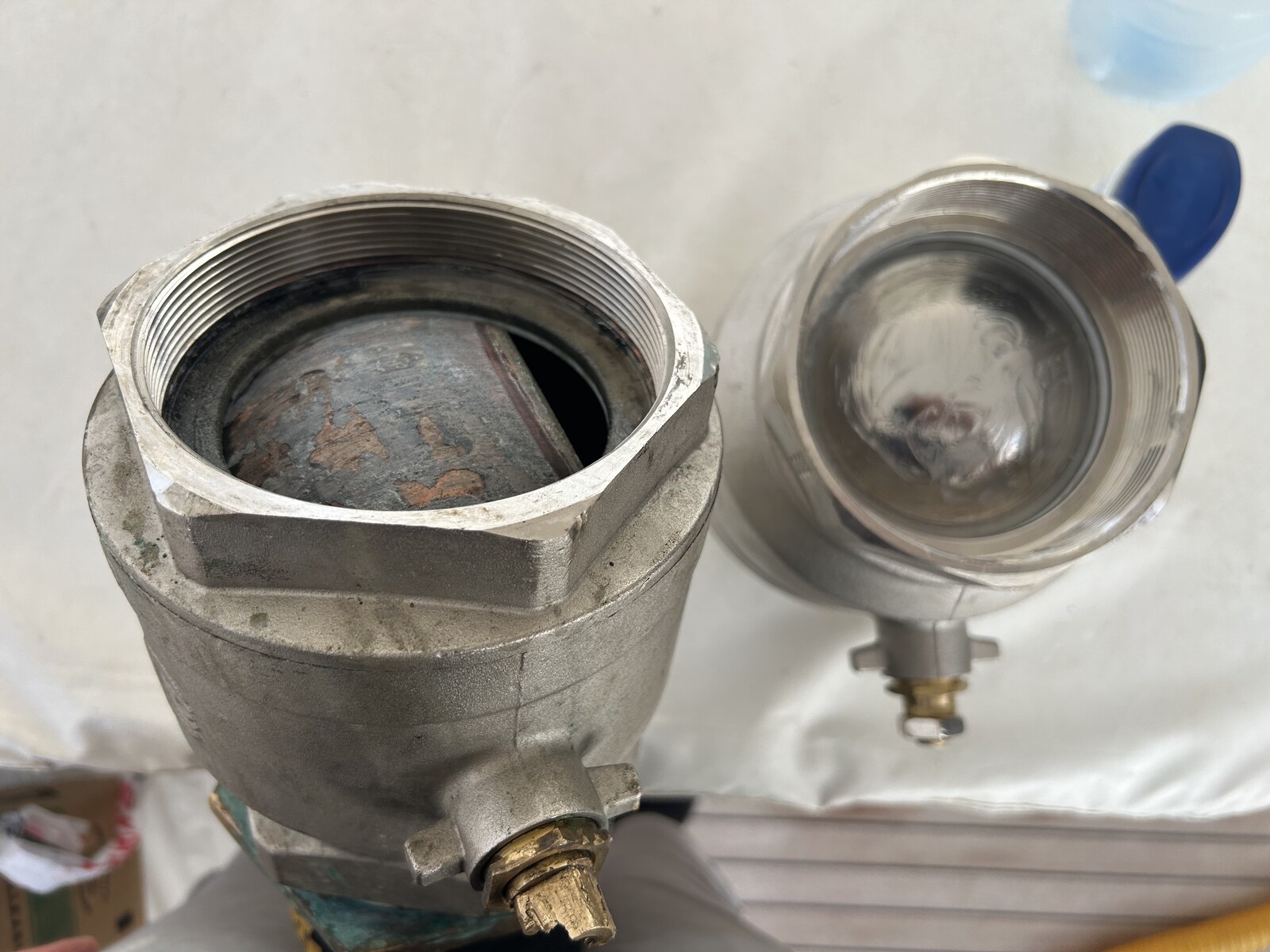
Seacock Valves: Materials, Galvanic Protection, Installation and Maintenance
Every opening below the waterline is a potential flooding point. How to choose, install, protect and maintain the fittings that keep a yacht safe — and what to do if a seacock seizes.
Captain's Corner Magazine · 10 October 2026
 Tech
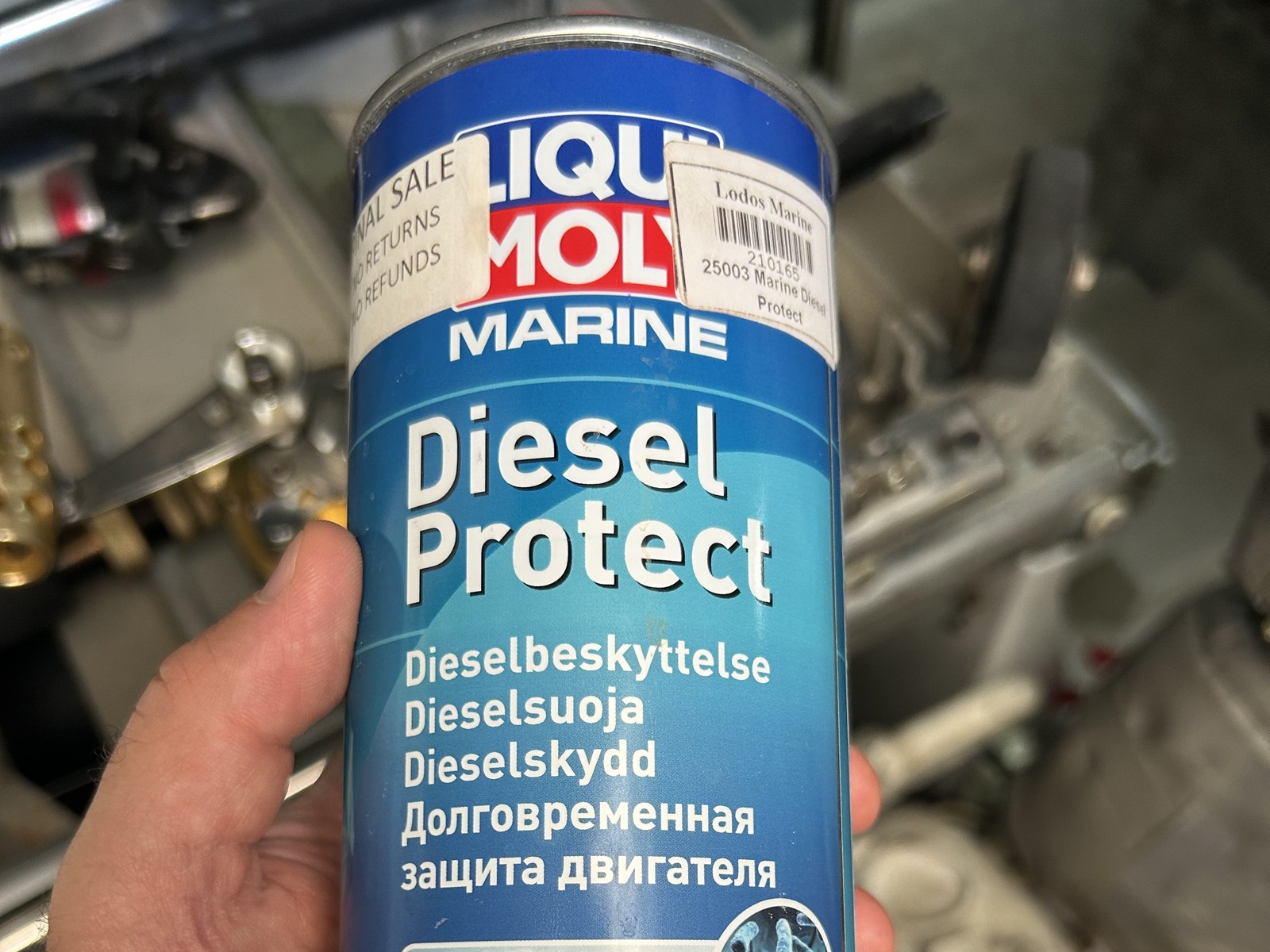
Diesel Bug: Bacterial Fuel Contamination on Yachts
Causes, prevention and the correct response when it strikes.
Captain's Corner Magazine · 16 October 2026