

From the Ocean to the Human Body: The Growing Impact of Plastic Pollution
Captain's Corner Magazine · 17 October 2026
A plastic bottle thrown overboard does not disappear — it fragments into microplastics that travel from the sea into soil, crops, drinking water and, ultimately, the human body.
Plastic pollution has become one of the most widespread environmental problems of the modern world. What begins as a plastic bottle, food wrapper, fishing line or discarded bag can eventually break down into particles so small that they become almost invisible. These particles, known as microplastics, are now being found not only in oceans and marine animals, but also in soil, agricultural crops, drinking water and even within the human body.
The problem therefore does not end when garbage disappears below the surface of the sea. Plastic can remain in the environment for decades or centuries, gradually fragmenting into smaller and smaller pieces and entering biological systems.
Garbage at Sea and Its Effect on Marine Life
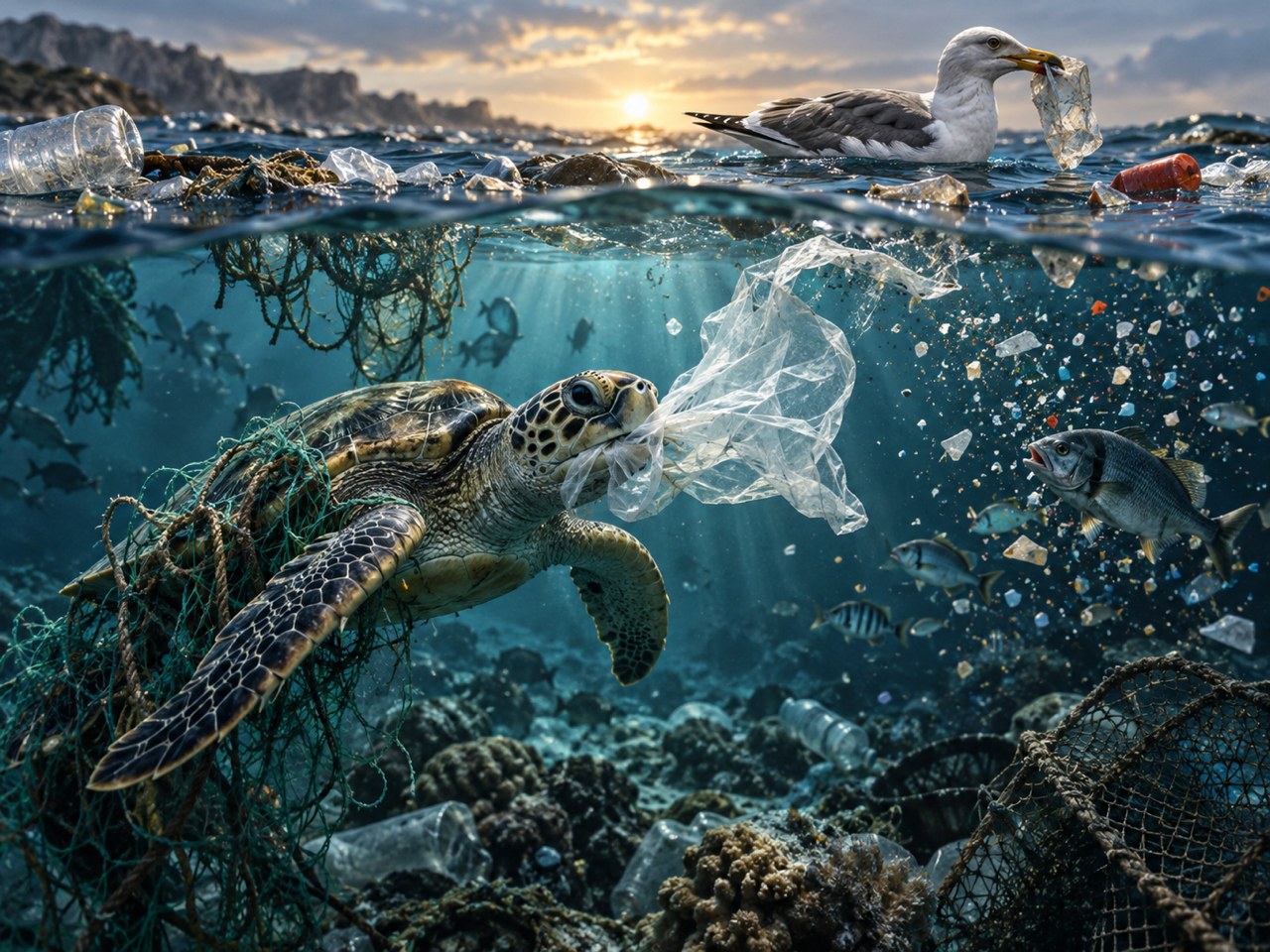
Marine garbage affects wildlife in several different ways. Larger debris presents the most visible danger. Sea turtles, dolphins, seals, whales, seabirds and fish can become entangled in abandoned fishing gear, plastic ropes, packaging straps and nets. Entanglement can restrict swimming, cause wounds, prevent feeding or breathing and, in severe cases, result in drowning or starvation.
Animals also frequently mistake plastic for food. Plastic bags can resemble jellyfish to a turtle, while small fragments may resemble prey or plankton to fish and seabirds. Research involving hundreds of marine species has documented both ingestion and entanglement, demonstrating that plastic pollution affects wildlife throughout marine food webs. (PubMed)
The danger becomes more difficult to see once plastics break down. Microplastics are generally defined as plastic particles smaller than five millimetres. Even smaller particles are often referred to as nanoplastics. These particles can be eaten by plankton, shellfish and other small organisms and can then move through the food chain as these organisms are consumed by fish and larger predators.
Experimental and field research has associated microplastic exposure in marine organisms with effects including inflammation, altered feeding, oxidative stress, impaired growth and changes in reproductive and developmental processes. Scientists continue to investigate how serious these effects are under real-world environmental conditions. (PubMed)
Plastic particles may also contain chemical additives from their manufacture or interact with other pollutants present in the surrounding environment. Consequently, plastic pollution represents more than simply a physical litter problem.
Effects of Plastic Pollution on Human Health
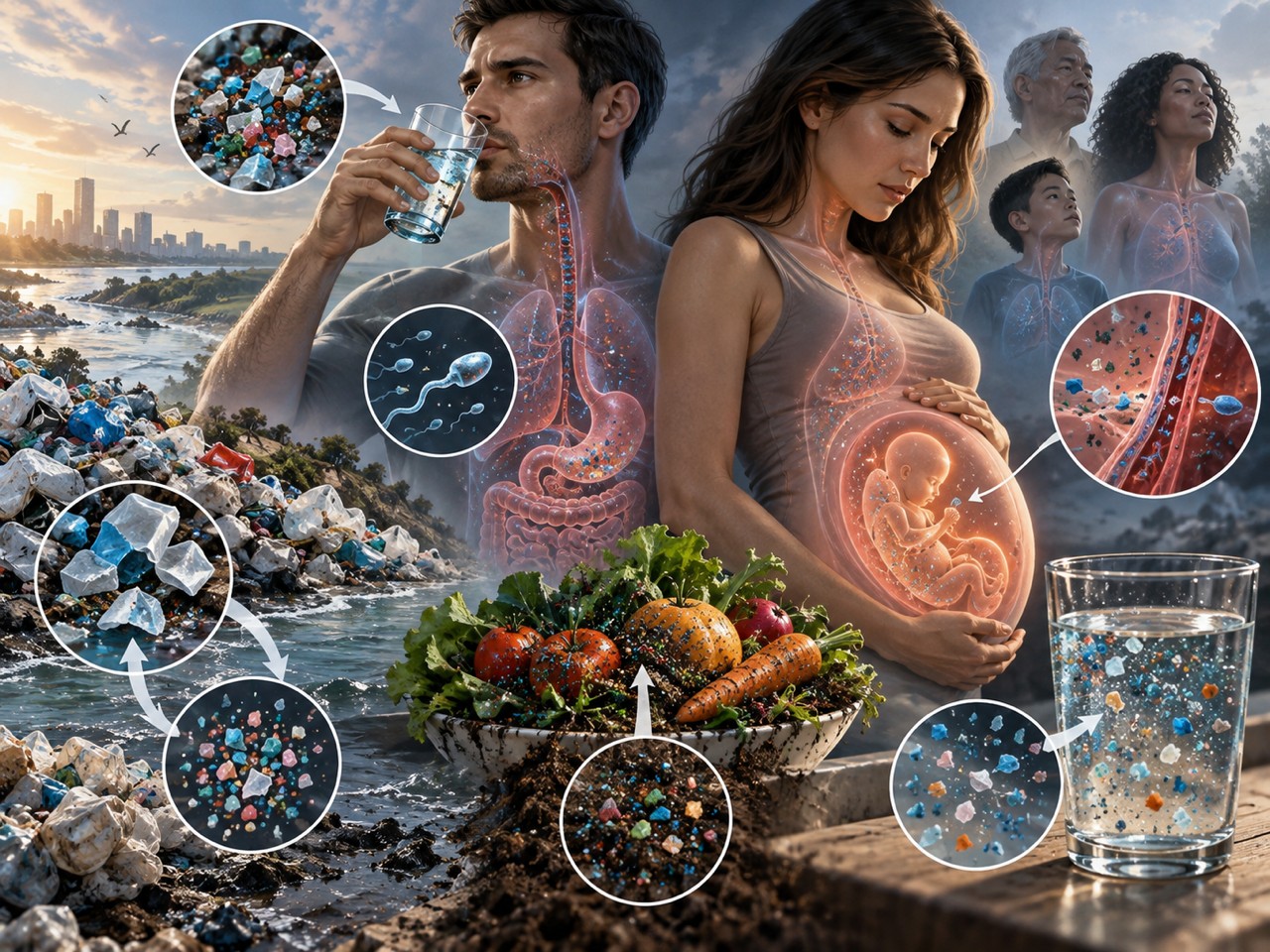
Microplastic pollution is not restricted to the ocean. Plastic particles can enter agricultural land through sewage sludge, wastewater irrigation, atmospheric fallout, degraded plastic packaging and agricultural products such as plastic mulch. Once present, these particles can persist and move through the soil.
Research indicates that microplastics can affect soil structure, water retention, microbial communities and nutrient cycling. Their behaviour depends greatly on factors such as particle size, polymer type, soil composition and water movement. (ScienceDirect)
An important question is whether these particles can move from contaminated soil into the plants that we eat. Increasing evidence indicates that sufficiently small microplastic and nanoplastic particles can interact with plant roots and, under certain conditions, enter plant tissues. Researchers have reported potential pathways allowing particles to move into edible portions of crops, raising concern about contamination of vegetables and fruits. However, the quantities transferred under typical agricultural conditions and their significance for human health remain subjects of active research. (ScienceDirect)
This creates a potential environmental pathway: plastic waste → soil → plants → food → humans.
Microplastics in Drinking Water
Water represents another route of human exposure. Microplastics have been detected in both tap water and bottled drinking water. They can originate from contaminated water sources, plastic pipes, treatment and distribution systems, packaging and other environmental sources.
The World Health Organization has examined the subject and confirms that people can be exposed to microplastics through drinking water as well as food and air. At the same time, WHO emphasizes that important uncertainties remain regarding the long-term health consequences and that further research is required. (World Health Organization)
This distinction is important. The presence of microplastic in the body does not automatically prove that it causes a particular illness. What is increasingly clear, however, is that human exposure is widespread.
Microplastics and Male Reproductive Health
One of the more concerning recent discoveries has been the detection of microplastics in the human male reproductive system. Scientists have identified microplastics in human semen and testicular tissue. A 2024 study involving 113 men detected several types of microplastic in semen and reported associations between greater mixed microplastic exposure and poorer measures of sperm concentration, sperm number and progressive motility. (PubMed)
Other research has likewise confirmed microplastics in semen. A 2025 study detected particles in 34 of 45 semen samples and found a possible relationship between exposure to particular plastics and reduced sperm motility, although the authors stressed that larger studies are necessary before causation can be established. (PubMed)
Therefore, it would be premature to state that microplastics have been proven to cause male infertility. Nevertheless, their presence inside semen and reproductive tissues, combined with experimental evidence of reproductive toxicity in animals, has made this an increasingly important field of medical research.
Pregnancy and the Placenta
Microplastics have also been detected in human placental tissue. In a 2024 study examining placentas from 50 women after delivery, researchers found microplastic particles in 31 of them. Several different polymers were identified. Importantly, that study did not establish significant adverse effects on the measured maternal or newborn outcomes, and the researchers emphasized that more work is required to understand whether microplastic exposure affects pregnancy or fetal development. (PubMed)
The significance of the discovery lies in the fact that environmental plastic particles are capable of reaching tissues associated with pregnancy.
Scientists are now investigating whether prolonged exposure could contribute to inflammation, oxidative stress, hormonal disruption or other biological effects. At present, however, the evidence is not strong enough to say that ordinary microplastic exposure causes pregnancy complications.
A Pollution Cycle That Ultimately Returns to Us
Plastic pollution demonstrates how closely human health is connected with environmental health. A piece of garbage thrown into a river or the sea does not simply disappear. It may remain for generations, fragment into microscopic particles and circulate between oceans, sediments, agricultural soils, animals, food and water.
The pathway can increasingly be described as: garbage → plastic fragments → microplastics → ocean and soil → marine life and crops → food and drinking water → human exposure.
Scientists have already demonstrated that microplastics can reach several human tissues, including reproductive tissues and the placenta. What remains to be determined is exactly how much exposure is dangerous and which biological effects will prove most significant over a lifetime. For the marine environment, however, the message is already clear. Preventing garbage—particularly plastics, fishing gear and other persistent waste—from entering the sea is far easier than attempting to remove it after it has fragmented into billions of microscopic particles. Protecting the ocean therefore means more than protecting fish, turtles or beaches. It also means protecting the food, water and environmental systems on which human life ultimately depends.
More in Knowledge
 Knowledge
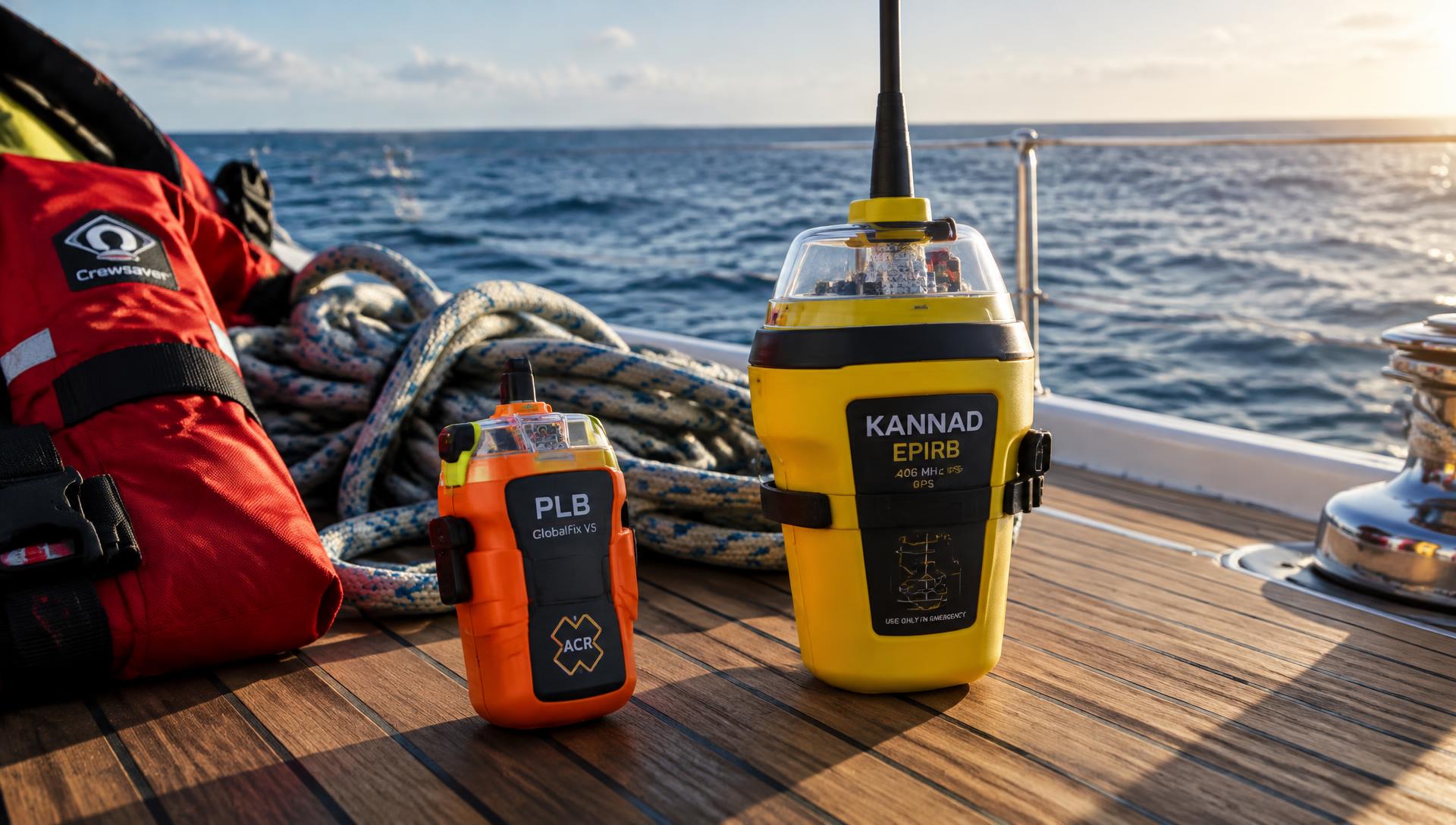
Life-Saving Equipment Offshore: PLBs, EPIRBs, SARTs and Satellite Communicators
Four technologies that decide how quickly rescuers find you — PLBs, EPIRBs, SARTs and satellite communicators — and why a well-equipped offshore yacht carries several of them.
Captain's Corner Magazine · 17 October 2026
 Knowledge
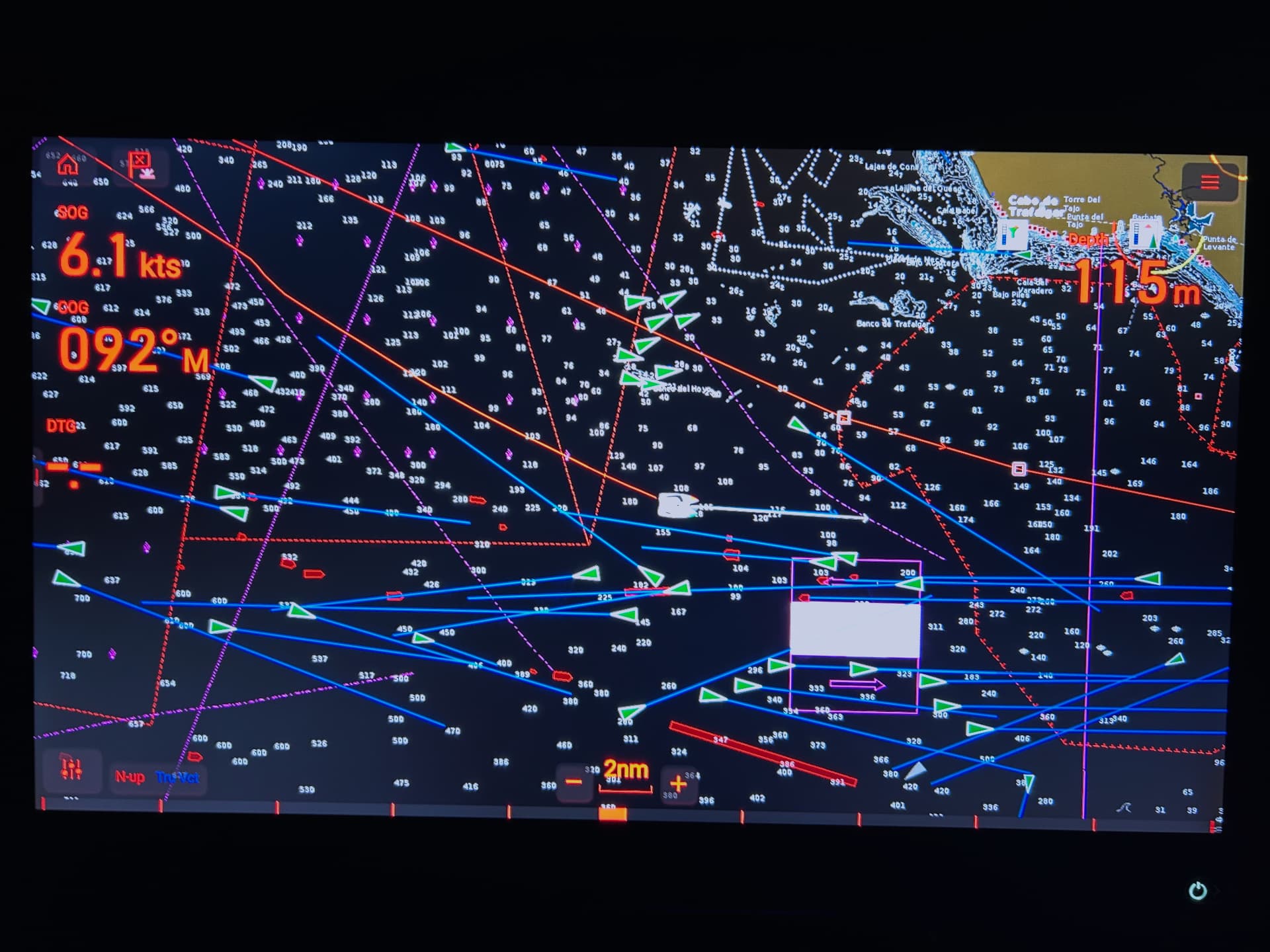
GPS vs DGPS – What Is the Difference?
How differential corrections improve satellite positioning, and why greater accuracy matters in marine navigation.
Captain's Corner Magazine · 15 August 2026
 Knowledge
Chart Inaccuracies – Understanding the Limits of Paper Charts and ENCs
Your GNSS position may be accurate to a few metres — but the shoal on the chart may come from a survey a century old. How survey age, chart compilation and CATZOC shape what you can trust.
Captain's Corner Magazine · 17 October 2026