

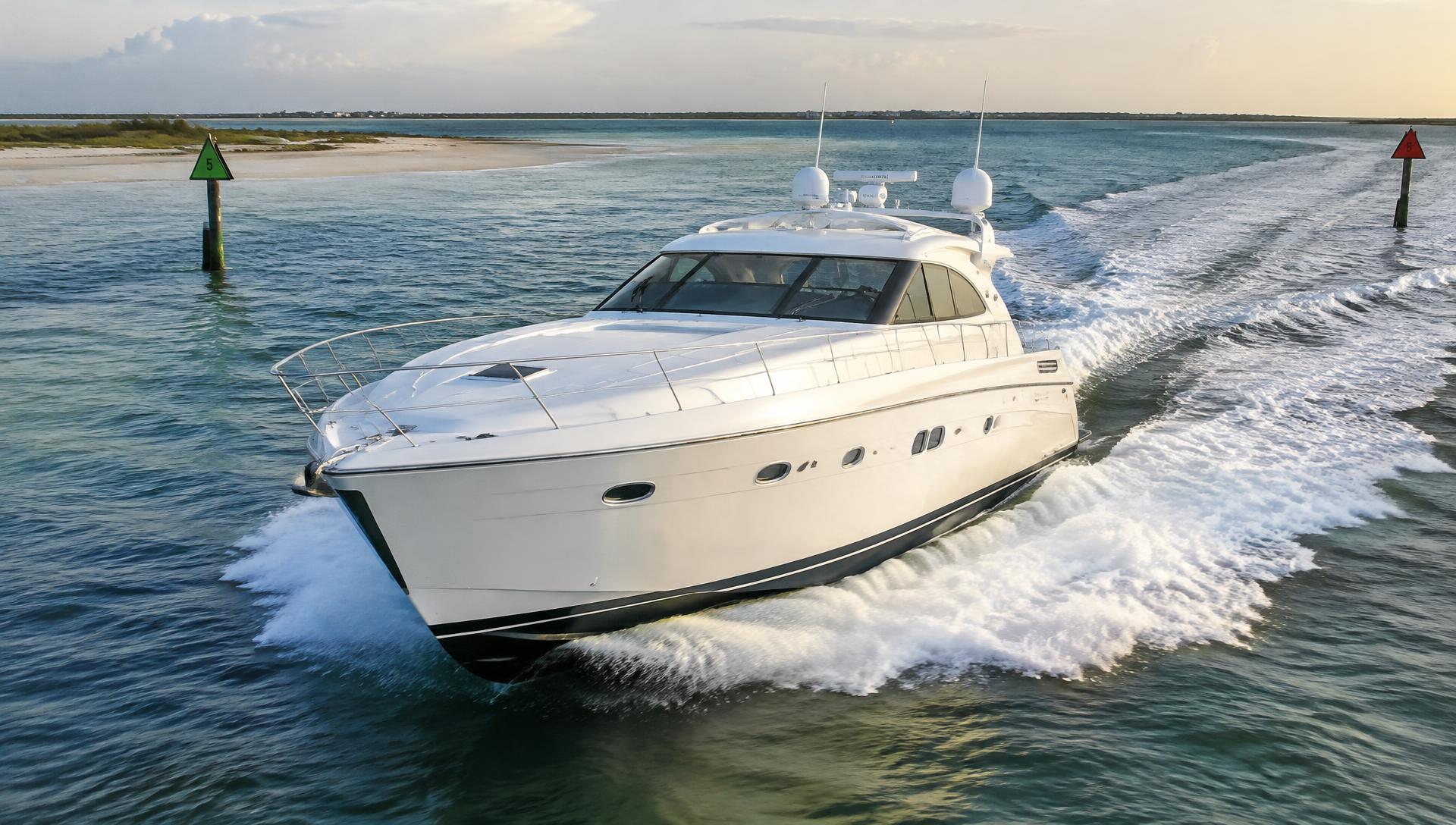
Squat Effect: Why Boats Sink Deeper at Speed
Captain's Corner Magazine · 17 October 2026
A yacht that has plenty of water under the keel at anchor can have far less once underway — squat makes a moving vessel sit deeper, and speed makes it worse.
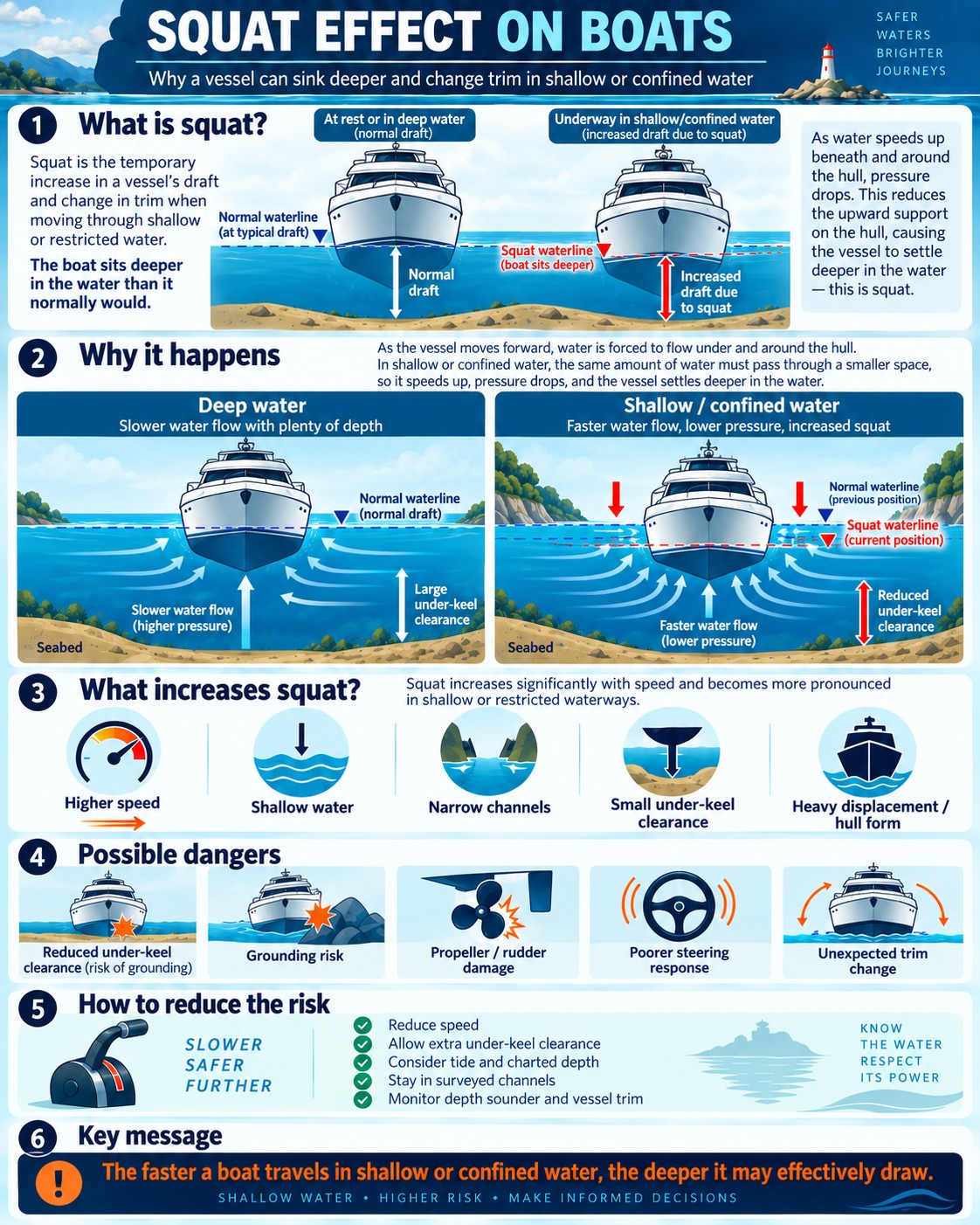
When a vessel moves through shallow or restricted water, it can temporarily sink deeper into the water and change its trim. This phenomenon is known as squat effect, and it can become an important safety concern when navigating close to the seabed, through channels, harbors, rivers, or other confined waters.
Squat occurs because water must accelerate as it passes beneath and around a moving vessel. As the water velocity increases, the pressure around the hull decreases. The resulting pressure difference causes the vessel to settle lower in the water. Depending on the hull form, the vessel may squat more by the bow, by the stern, or approximately evenly.
The effect increases significantly with speed. A relatively small increase in vessel speed can therefore produce a disproportionately large increase in squat. It is also more pronounced when there is limited under-keel clearance or when the vessel is travelling through a narrow channel, where the surrounding water has less space to flow around the hull.
For a yacht or motorboat, squat can be particularly dangerous when operating at speed over shallow areas. A vessel that appears to have sufficient under-keel clearance while stationary may have considerably less clearance once underway. In extreme cases, the keel, propellers, rudders, shafts, or other underwater equipment can strike the seabed.
What increases squat?
The principal factors are vessel speed, water depth, channel width, hull shape, displacement, and under-keel clearance. Heavy vessels with relatively deep drafts can experience significant squat, but smaller high-speed craft are not automatically immune.
Confined waterways can make the situation worse. When a vessel occupies a large proportion of the available cross-sectional area of a channel, the accelerated flow of water around the hull can increase both squat and hydrodynamic interaction with nearby banks or other vessels.
Recognising the risk
Possible indications include an unexpected change of trim, reduced steering response, increased vibration, unusual wake patterns, or the vessel becoming more difficult to control. However, squat may occur without an obvious warning from the bridge or helm, which is why it should be considered during passage planning rather than detected only after it becomes a problem.
Electronic depth sounders can help monitor the situation, but the navigator must understand whether the displayed depth is measured from the transducer, from the keel, or from the waterline. Charted depth, tide, vessel draft and the expected dynamic squat should all be considered when calculating safe under-keel clearance.
Reducing squat
The most effective method is simple: reduce speed. Because squat increases strongly with speed, slowing down can substantially increase the available under-keel clearance.
Navigators should also maintain adequate safety margins, consider tidal height and water level, stay within properly surveyed channels, and avoid unnecessary high-speed operation in shallow or restricted water.
Squat is sometimes associated mainly with large commercial ships, but the same hydrodynamic principles apply to yachts and smaller craft. Whenever a vessel is moving quickly through shallow water, the depth beneath the hull should never be considered a purely static measurement.
Understanding squat effect is therefore an essential part of safe navigation: the faster a vessel moves in shallow or confined water, the deeper it may effectively draw.
More in Knowledge
 Knowledge
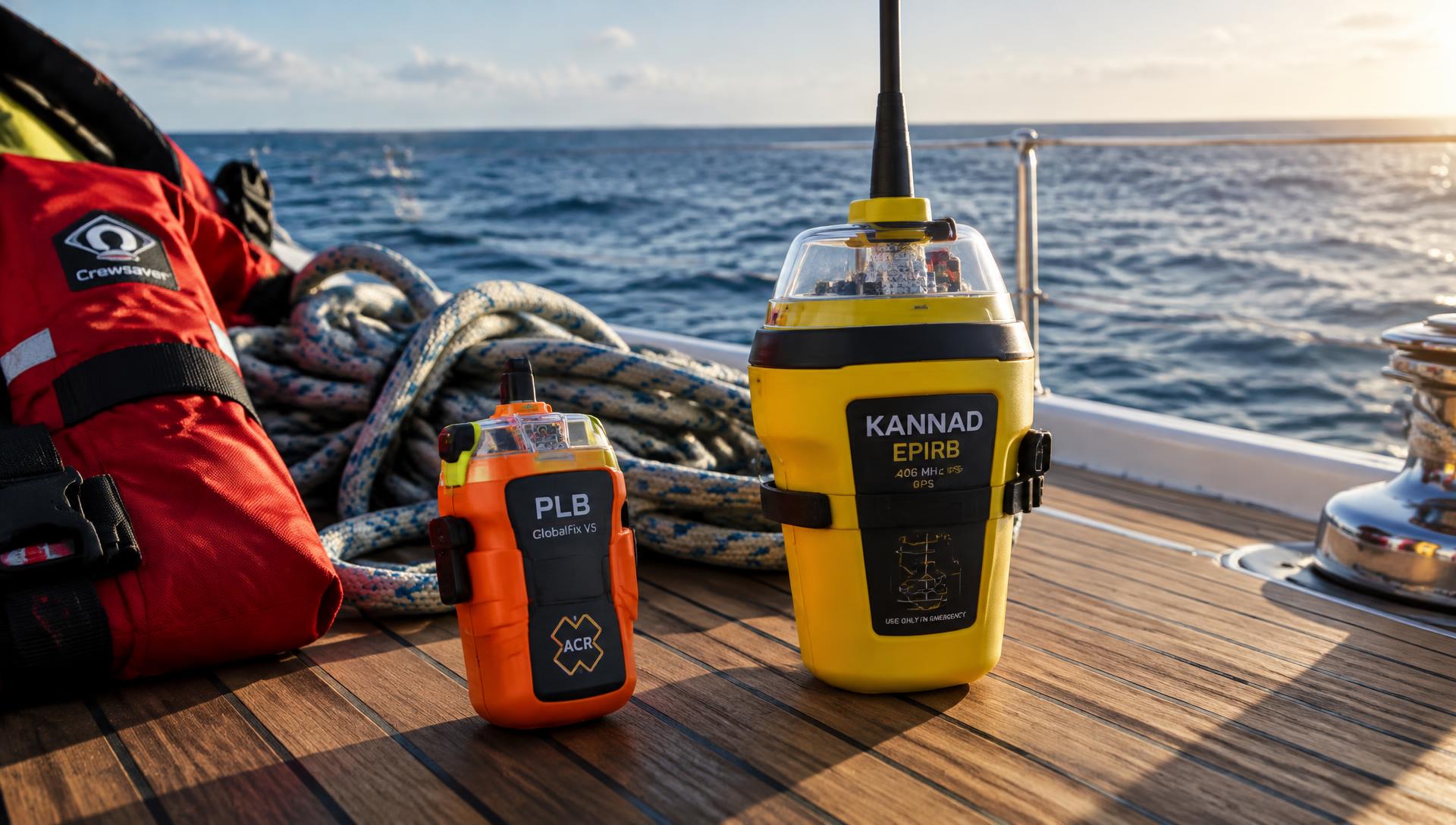
Life-Saving Equipment Offshore: PLBs, EPIRBs, SARTs and Satellite Communicators
Four technologies that decide how quickly rescuers find you — PLBs, EPIRBs, SARTs and satellite communicators — and why a well-equipped offshore yacht carries several of them.
Captain's Corner Magazine · 17 October 2026
 Knowledge
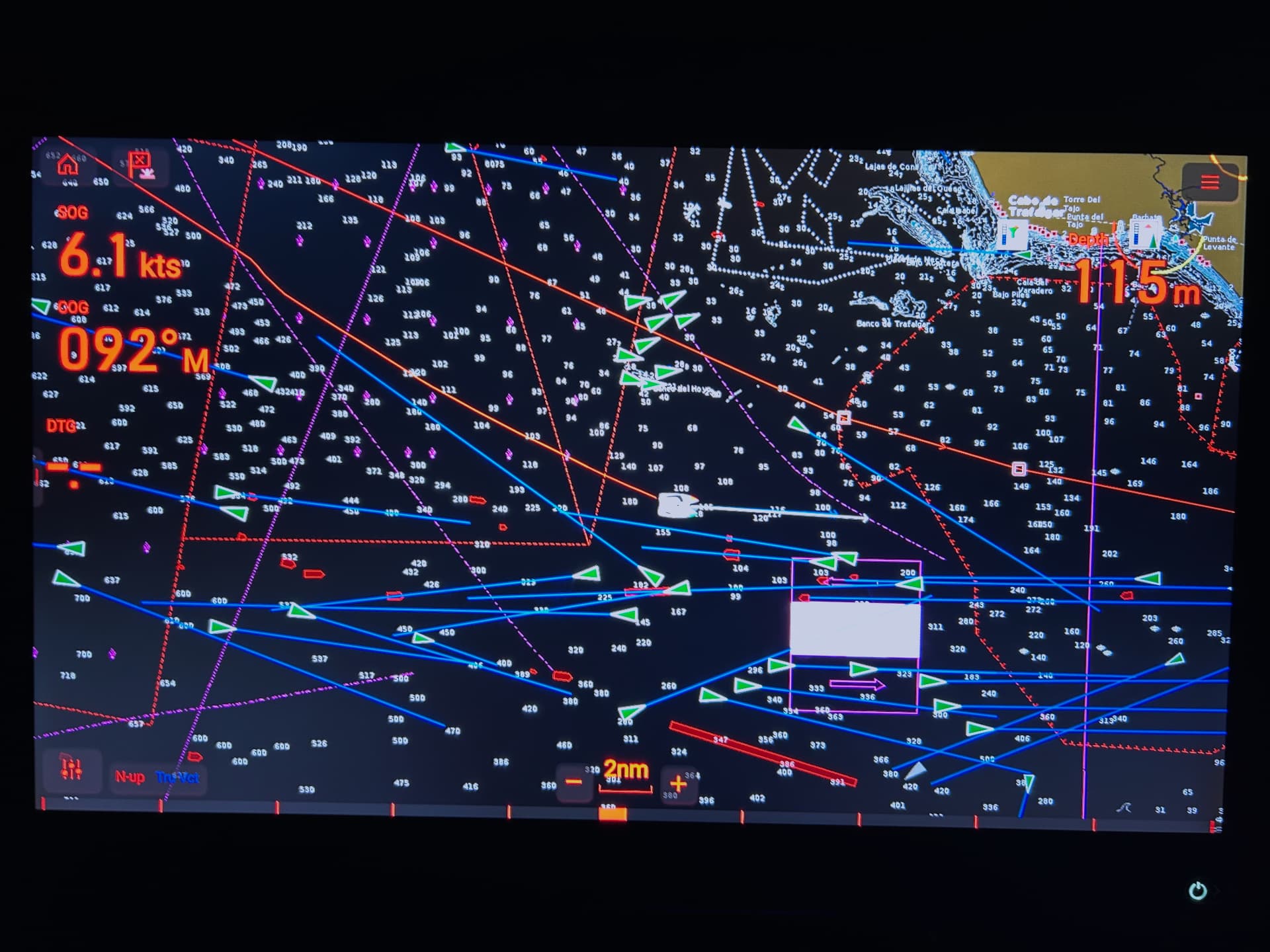
GPS vs DGPS – What Is the Difference?
How differential corrections improve satellite positioning, and why greater accuracy matters in marine navigation.
Captain's Corner Magazine · 15 August 2026
 Knowledge
Chart Inaccuracies – Understanding the Limits of Paper Charts and ENCs
Your GNSS position may be accurate to a few metres — but the shoal on the chart may come from a survey a century old. How survey age, chart compilation and CATZOC shape what you can trust.
Captain's Corner Magazine · 17 October 2026